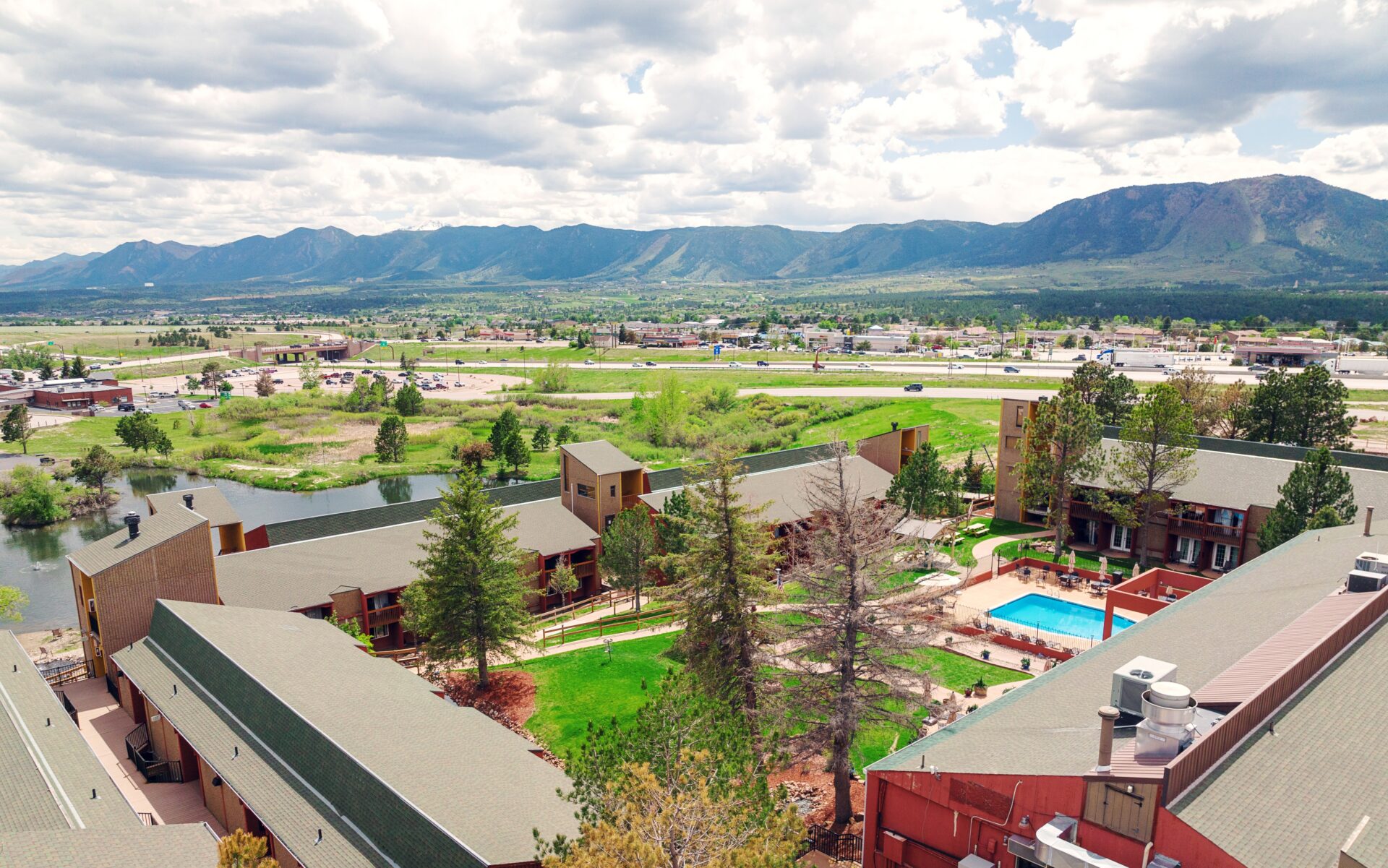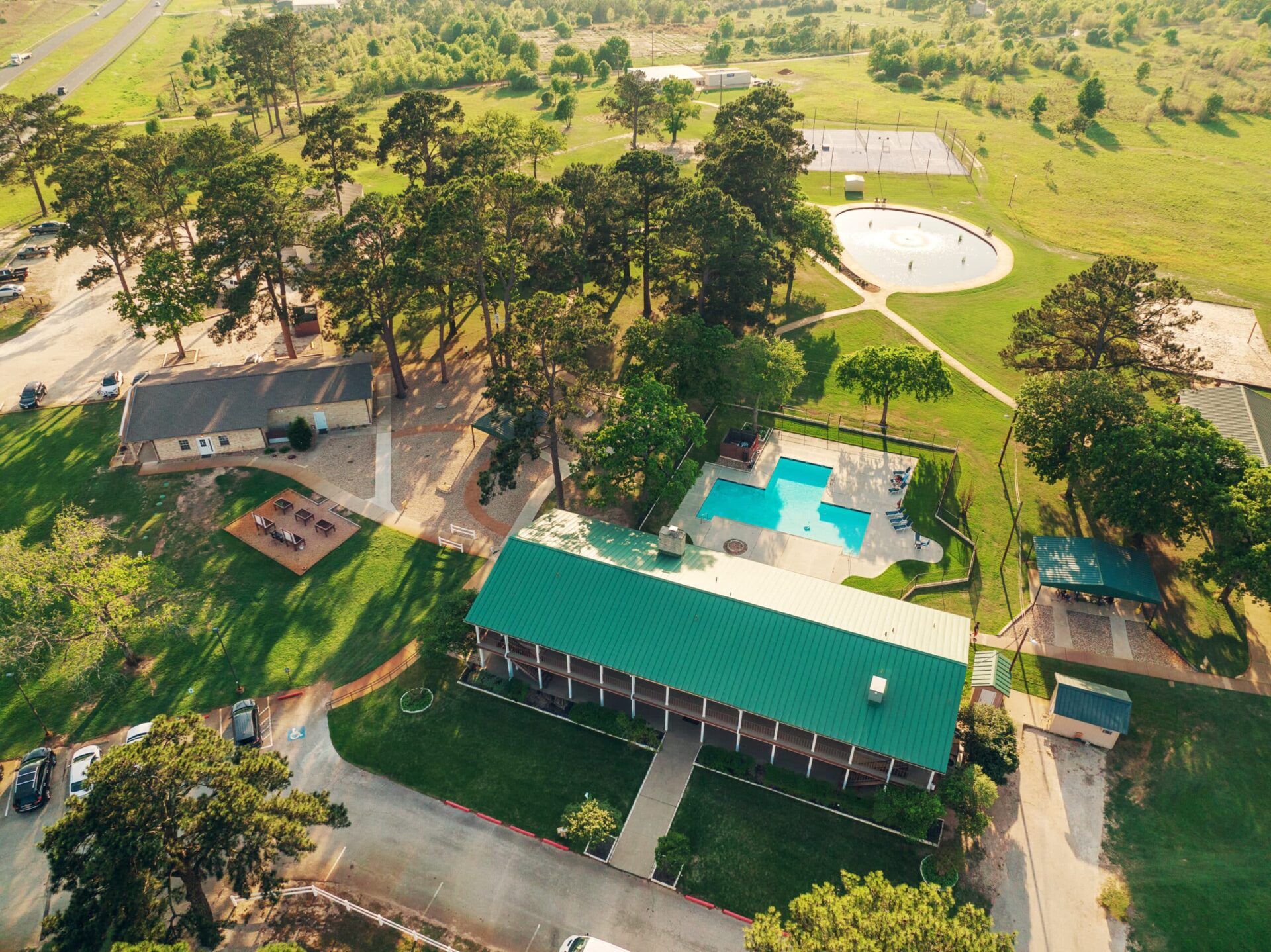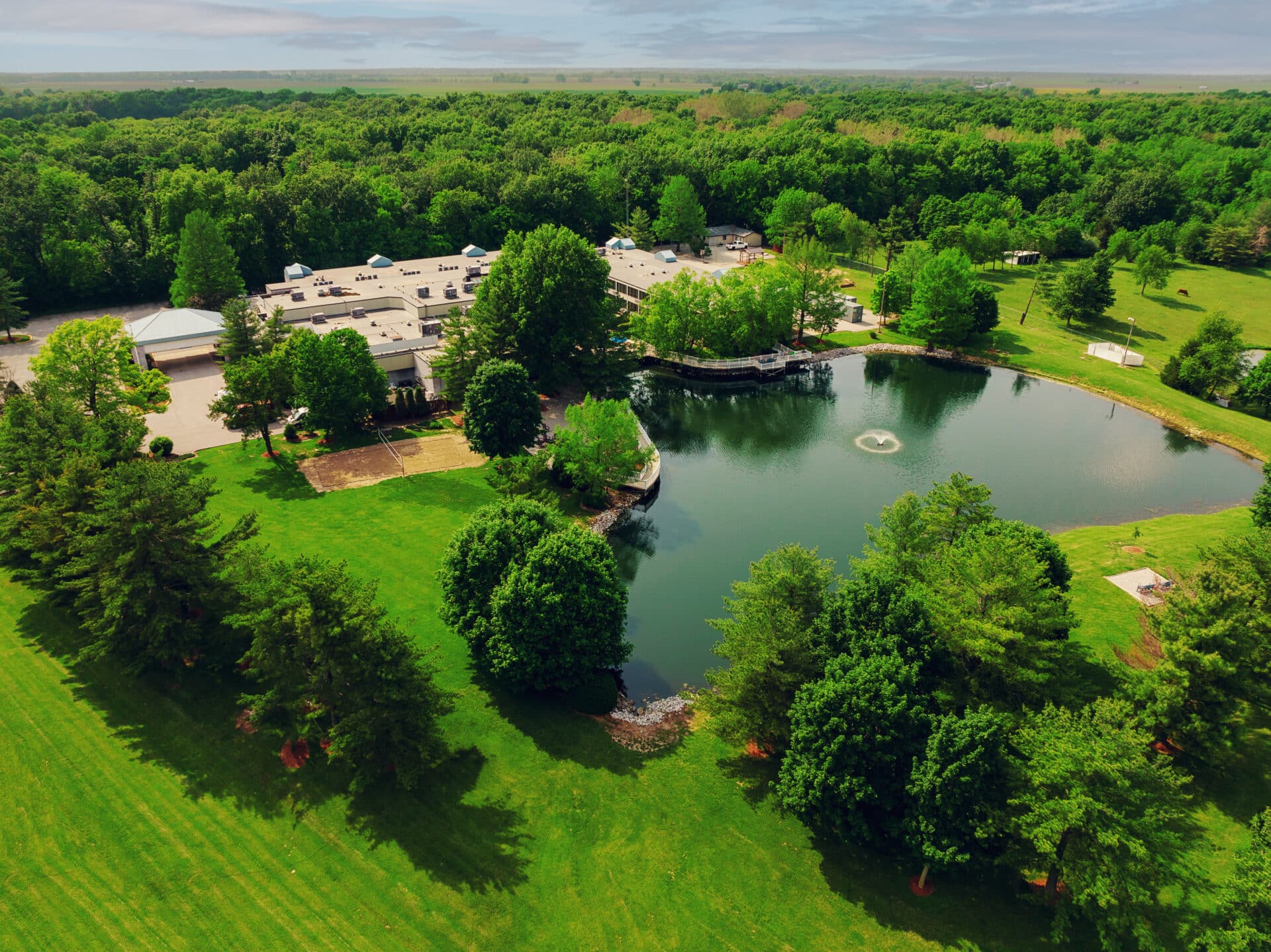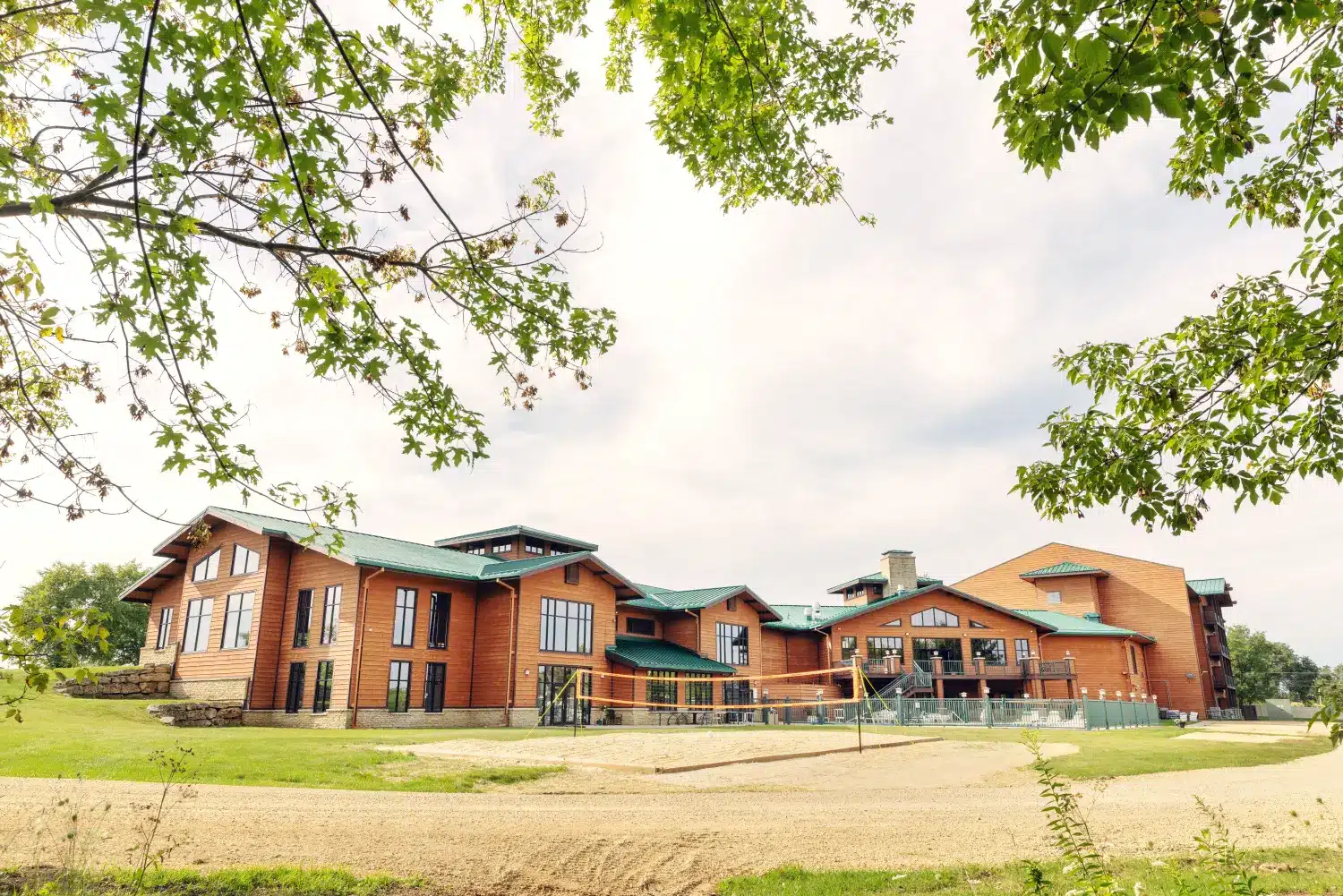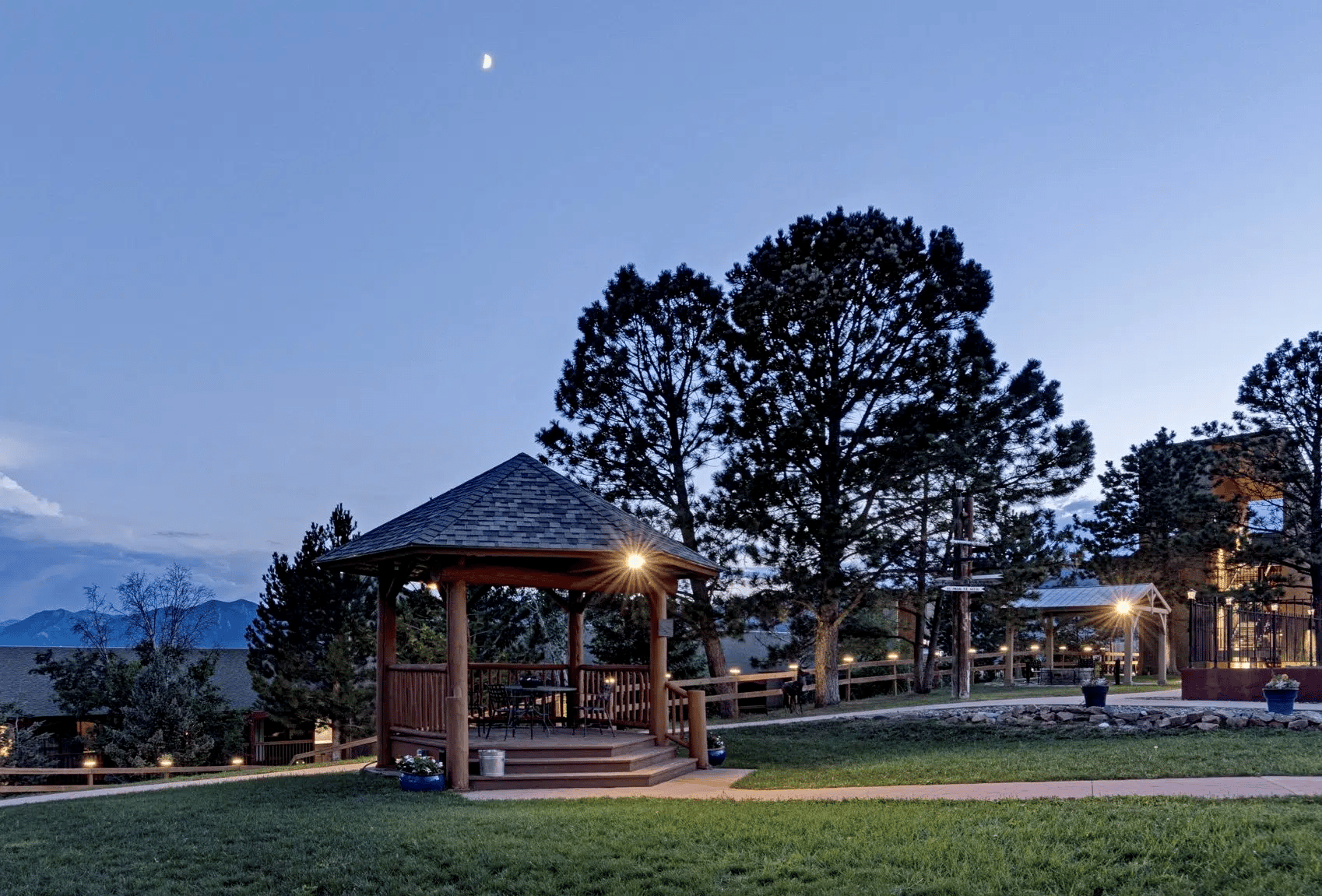
Mountain Springs Recovery - Monument, Colorado
GET HONEST & ACCURATE QUOTE
Lakewood Drug & Addiction Rehab: Addiction Treatment Near Lakewood
Upscale Colorado facility with medication assisted treatment and Non-12-Step program options
- Keep your phone and laptop
- Safe 24/7 monitored detox
- SMART options
- Dual diagnosis programs
- Long-term arrangements
- Thorough aftercare planning
- Located in Monument, CO
- Out of state options in CA, TX and IL
Check your coverage and get informed on admission process! Call us at:
 555-555-5555*
*HIPPA Compliant and 100% confidential
MAXIMIZE YOUR PPO COVERAGE WITH OUR HELP
We will work with insurance to get you the best possible coverage and minimize expenses.
Finding the right addiction treatment program can be an important turning point for individuals and families affected by substance use. Whether you’re struggling with alcohol, prescription medications, opioids, or illicit drugs, professional treatment can provide the structure, medical support, and therapeutic guidance needed to begin rebuilding your life.
At Sunshine Behavioral Health, we help Lakewood residents access comprehensive drug and alcohol addiction treatment tailored to their individual needs. Our approach recognizes that addiction affects more than physical health. It can influence relationships, employment, emotional well-being, and nearly every aspect of daily life.
For individuals seeking residential addiction treatment outside Lakewood, our Mountain Springs Recovery facility in Monument, Colorado, offers a supportive environment where clients can focus on recovery away from familiar triggers and everyday responsibilities.
From medically supervised detoxification to residential rehabilitation, dual-diagnosis treatment, and long-term recovery planning, Sunshine Behavioral Health is committed to helping individuals take meaningful steps toward a healthier future.
Finding Drug and Alcohol Rehab Near Lakewood, Colorado
Lakewood is one of the largest communities in the Denver metropolitan area, offering convenient access to employment, recreation, shopping, and entertainment. However, living in a well-connected community does not necessarily make finding appropriate addiction treatment easier.
Individuals experiencing substance use disorders may struggle to separate themselves from social environments, relationships, and routines that reinforce unhealthy behaviors. Others may find that nearby outpatient services do not provide the level of structure or supervision they need.
Sunshine Behavioral Health helps Lakewood residents explore treatment options that address these challenges.
Our Mountain Springs Recovery facility is located in Monument, south of Denver and near Colorado Springs. Traveling outside the immediate Lakewood area can offer several potential benefits:
- Distance From Everyday Triggers: Leaving familiar environments can reduce exposure to people, places, and routines associated with substance use.
- Greater Focus on Recovery: Residential treatment provides a structured setting where clients can prioritize their physical and emotional well-being.
- Access to Comprehensive Care: Depending on clinical needs, clients may receive medical detoxification, individual counseling, group therapy, and treatment for co-occurring mental health conditions.
- A Change of Environment: Spending time in a different setting can help individuals develop new perspectives and establish healthier routines.
- Continued Connection to Colorado: Receiving treatment within the state may make it easier to coordinate family involvement, discharge planning, and ongoing care.
Although our Monument facility is not located in Lakewood itself, it provides an option for individuals who would benefit from residential treatment away from the Denver metropolitan area.
How Do You Know When It’s Time to Seek Addiction Treatment?
Recognizing when substance use has become a serious problem is not always straightforward. Some individuals experience obvious consequences, such as job loss or legal problems, while others continue managing their daily responsibilities despite developing a substance use disorder.
Addiction is a medical condition, not simply a matter of insufficient willpower. Changes in brain function, physical dependence, emotional distress, and environmental influences can make stopping substance use difficult without professional assistance.
Signs that it may be time to consider addiction treatment include:
- Using alcohol or drugs more frequently or in larger amounts than intended.
- Experiencing unsuccessful attempts to reduce or stop substance use.
- Spending significant amounts of time obtaining, using, or recovering from substances.
- Developing cravings that interfere with concentration or daily activities.
- Continuing to use substances despite relationship, financial, or health consequences.
- Neglecting responsibilities at work, school, or home.
- Losing interest in hobbies, relationships, or activities that were previously enjoyable.
- Using substances to manage anxiety, depression, stress, or traumatic experiences.
- Experiencing withdrawal symptoms when substance use decreases.
- Needing progressively larger amounts of a substance to achieve the same effects.
You do not need to experience every symptom before seeking assistance. Even a few persistent warning signs can indicate that professional evaluation would be beneficial.
At Sunshine Behavioral Health, we encourage Lakewood residents to reach out before substance use creates additional complications. Early intervention can help reduce the risk of overdose, worsening dependence, and other serious consequences.
Signs You May Need Medical Detox
Medical detoxification may be appropriate when an individual has developed physical dependence on alcohol, benzodiazepines, opioids, or certain other substances.
Potential withdrawal symptoms include:
- Nausea, vomiting, or gastrointestinal discomfort.
- Excessive sweating or chills.
- Shaking, tremors, or muscle aches.
- Insomnia and significant sleep disturbances.
- Anxiety, agitation, or irritability.
- Rapid heartbeat or changes in blood pressure.
- Intense cravings.
- Confusion, hallucinations, or seizures in severe cases.
Alcohol and benzodiazepine withdrawal can be life-threatening, particularly for individuals with a history of heavy or prolonged use. Medical supervision can help identify complications and provide appropriate treatment.
If you’re experiencing severe withdrawal symptoms, seizures, significant confusion, or another medical emergency, seek emergency medical care immediately rather than attempting to manage withdrawal independently.
Substance Use Disorders We Treat Near Lakewood
Substance use disorders can develop from a wide range of substances, each with different effects on physical health, mental well-being, and behavior.
Sunshine Behavioral Health takes an individualized approach to addiction treatment because the challenges associated with alcohol dependence may differ substantially from those involving opioids, stimulants, or prescription medications.
Alcohol Addiction
Alcohol use disorder can develop gradually, making it difficult to recognize when occasional drinking has progressed into dependence.
Individuals may begin drinking to manage stress, improve social confidence, or cope with difficult emotions. Over time, alcohol consumption can become increasingly difficult to control.
Long-term excessive alcohol use may contribute to liver disease, cardiovascular problems, sleep disturbances, depression, and strained relationships.
Sunshine Behavioral Health helps individuals address both the physical and psychological components of alcohol addiction. Treatment may include medically supervised withdrawal management, counseling, behavioral therapies, and relapse-prevention planning.
Opioid Addiction
Opioid use disorder can involve prescription pain medications, heroin, fentanyl, and other opioids.
These substances affect the brain’s opioid receptors, producing pain relief and, in some cases, intense feelings of euphoria. Repeated exposure can lead to tolerance, physical dependence, and compulsive use.
Opioid addiction also carries a significant risk of overdose, particularly when substances contain unpredictable amounts of fentanyl.
Treatment may incorporate withdrawal management, behavioral counseling, medication-assisted treatment when clinically appropriate, and ongoing recovery support.
Benzodiazepine Addiction
Benzodiazepines are prescription medications commonly used to treat anxiety, panic disorders, seizures, and certain sleep-related conditions.
Medications such as Xanax, Valium, Ativan, and Klonopin can lead to physical dependence, particularly with prolonged use.
Abruptly discontinuing benzodiazepines can cause dangerous withdrawal symptoms, including seizures. A medically supervised taper or other individualized withdrawal-management plan may be necessary.
Our treatment approach emphasizes patient safety while addressing the underlying factors contributing to problematic medication use.
Cocaine Addiction
Cocaine is a powerful stimulant that increases activity in the brain’s reward pathways.
Repeated use can contribute to cardiovascular complications, sleep disturbances, anxiety, depression, and compulsive drug-seeking behavior.
Although cocaine withdrawal is generally different from alcohol or benzodiazepine withdrawal, individuals may experience significant fatigue, mood changes, cravings, and depression after stopping.
Behavioral therapies and structured recovery support can help individuals identify triggers and develop healthier coping mechanisms.
Methamphetamine Addiction
Methamphetamine is a potent stimulant associated with significant changes in energy, mood, appetite, and sleep.
Prolonged use can contribute to cardiovascular problems, cognitive difficulties, paranoia, and other psychiatric symptoms.
Sunshine Behavioral Health emphasizes behavioral interventions, psychological support, and long-term relapse-prevention strategies for individuals recovering from methamphetamine addiction.
Prescription Drug Addiction
Prescription medications can be beneficial when used appropriately, but some carry a risk of misuse, dependence, and addiction.
Problematic use may involve prescription opioids, stimulants, sedatives, or other medications.
Treatment considers the specific medication involved, the individual’s medical history, and whether an underlying condition requires continued management.
Marijuana Addiction
Although marijuana is often perceived as less harmful than other substances, some individuals develop cannabis use disorder.
Warning signs can include difficulty reducing use, impaired motivation, persistent cravings, sleep problems, and continued use despite negative consequences.
Sunshine Behavioral Health helps individuals examine their relationship with cannabis and develop strategies for managing cravings, emotional distress, and behavioral patterns.
Polysubstance Use
Polysubstance use involves consuming multiple substances, either simultaneously or at different times.
For example, an individual may combine alcohol with prescription sedatives or use stimulants alongside opioids.
Combining substances can increase the risk of overdose, unpredictable interactions, and complicated withdrawal symptoms.
Treatment requires careful assessment of all substances involved so that medical and therapeutic services can be coordinated appropriately.
Medical Detox Near Lakewood, Colorado
For some individuals, the first step in addiction treatment is safely managing withdrawal symptoms.
Medical detoxification provides a supervised environment where healthcare professionals can monitor symptoms, evaluate complications, and administer appropriate medications or supportive care.
At Sunshine Behavioral Health, we understand that concerns about withdrawal can prevent individuals from seeking treatment. Our goal is to help clients understand what detox involves and access an appropriate level of medical support.
What Happens During Medical Detox?
The detoxification process generally begins with a comprehensive medical assessment.
Healthcare professionals evaluate the substances used, duration and frequency of use, previous withdrawal experiences, existing medical conditions, and potential psychiatric concerns.
Depending on individual needs, detoxification may involve:
- Monitoring vital signs and withdrawal symptoms.
- Administering medications to manage withdrawal or prevent complications.
- Supporting hydration, nutrition, and sleep.
- Assessing emotional and psychological distress.
- Adjusting treatment as symptoms change.
- Preparing clients for the next stage of addiction treatment.
The length of detox varies based on the substance involved, severity of dependence, and individual medical circumstances.
Is Detox Enough to Overcome Addiction?
Detoxification addresses the immediate physical effects of substance withdrawal, but it does not necessarily resolve the behavioral and psychological factors contributing to addiction.
Without continued treatment, individuals may return to the same coping mechanisms, environments, and patterns that contributed to substance use.
For this reason, Sunshine Behavioral Health encourages clients to consider ongoing rehabilitation after completing detoxification.
Residential treatment can provide additional time to address emotional triggers, develop recovery skills, and prepare for life after treatment.
Residential Drug and Alcohol Rehab Near Lakewood
Residential addiction treatment offers a structured environment where individuals temporarily live at a treatment facility while participating in comprehensive recovery programming.
Unlike outpatient treatment, which allows individuals to return home after appointments, residential rehabilitation provides ongoing support and removes many of the distractions associated with everyday life.
Sunshine Behavioral Health offers Lakewood residents access to residential addiction treatment through our Mountain Springs Recovery facility in Monument.
Residential treatment may be particularly beneficial for individuals who:
- Have experienced repeated relapses.
- Struggle to maintain sobriety in their current living environment.
- Have moderate or severe substance use disorders.
- Need consistent therapeutic support.
- Have co-occurring mental health concerns.
- Lack a stable or supportive home environment.
- Have not achieved sufficient progress through less intensive treatment.
During residential rehabilitation, clients participate in an individualized combination of counseling, educational activities, recovery programming, and wellness services.
The duration of treatment depends on clinical needs, progress, and the recommendations of the treatment team.
Our objective is not simply to help individuals stop using substances temporarily. We want clients to develop practical skills that support lasting changes after returning to Lakewood.
Personalized Addiction Treatment at Sunshine Behavioral Health
No two individuals experience addiction in exactly the same way.
One person may develop opioid dependence after receiving medication for an injury, while another may struggle with alcohol use connected to untreated anxiety or longstanding trauma.
Effective treatment must consider these differences rather than relying on a single standardized approach.
At Sunshine Behavioral Health, individualized care begins with understanding each client’s history, needs, challenges, and recovery goals.
Comprehensive Assessment
The treatment process begins with an evaluation of substance use history, physical health, mental health, previous treatment experiences, and personal circumstances.
This assessment helps determine the appropriate level of care and identifies issues that may require additional attention.
Individualized Treatment Planning
Following the assessment, the treatment team develops a personalized plan outlining recommended services and recovery objectives.
Treatment plans may be adjusted as clients make progress or encounter new challenges.
Individual Therapy
Individual counseling provides an opportunity to explore personal experiences and behaviors in a confidential therapeutic setting.
Clients may work with therapists to address emotional triggers, negative thought patterns, trauma-related concerns, and difficulties managing stress.
Group Therapy
Group therapy brings individuals together to discuss recovery-related challenges, share perspectives, and practice interpersonal skills.
Participating in a supportive group can reduce feelings of isolation and help clients recognize that others face similar difficulties.
Family Support and Education
Substance use disorders frequently affect spouses, parents, children, and other loved ones.
When clinically appropriate and with the client’s consent, family involvement can help improve communication, establish healthier boundaries, and support recovery after treatment.
Relapse-Prevention Planning
Relapse prevention involves identifying high-risk situations and developing strategies for responding to cravings, emotional distress, and environmental triggers.
Clients may practice refusal skills, develop emergency coping plans, and identify supportive resources they can access after leaving residential treatment.
Evidence-Based Therapies Used in Addiction Treatment
Behavioral therapies play an important role in helping individuals understand substance use patterns and develop healthier responses to difficult situations.
Sunshine Behavioral Health incorporates evidence-based therapeutic approaches into individualized treatment planning.
Cognitive Behavioral Therapy (CBT)
Cognitive behavioral therapy helps individuals recognize connections between thoughts, emotions, and behaviors.
For example, someone who automatically responds to workplace stress by drinking may learn to identify that pattern and practice alternative coping strategies.
CBT can help clients challenge unhelpful beliefs, manage cravings, and develop problem-solving skills.
Dialectical Behavior Therapy (DBT)
Dialectical behavior therapy focuses on skills such as emotional regulation, distress tolerance, mindfulness, and interpersonal effectiveness.
These techniques may be particularly helpful for individuals who experience intense emotions or use substances to escape psychological discomfort.
Motivational Interviewing (MI)
Motivational interviewing is a collaborative counseling approach designed to help individuals explore their reasons for making changes.
Rather than relying on confrontation, therapists help clients examine uncertainty, identify personal goals, and strengthen their motivation for recovery.
Trauma-Informed Care
Traumatic experiences can influence emotional regulation, relationships, and substance use behaviors.
Trauma-informed treatment emphasizes safety, trust, collaboration, and respect for individual experiences.
This approach helps reduce the risk of retraumatization while allowing clients to address relevant concerns at an appropriate pace.
Holistic and Experiential Approaches
Recovery involves more than addressing substance use alone.
Complementary activities may support physical health, emotional awareness, stress management, and healthy daily routines.
Depending on the treatment plan and available programming, clients may participate in mindfulness practices, physical activity, recreational experiences, and other wellness-oriented services.
These activities complement rather than replace evidence-based addiction treatment.
Dual-Diagnosis Treatment Near Lakewood
Substance use disorders frequently occur alongside mental health conditions.
Some individuals begin using alcohol or drugs to manage symptoms of depression, anxiety, or trauma. Others experience worsening psychological symptoms as substance use becomes more frequent.
When a substance use disorder and mental health condition occur together, this is commonly referred to as a dual diagnosis or co-occurring disorder.
Conditions that may require coordinated treatment include:
- Depression.
- Generalized anxiety disorder.
- Panic disorder.
- Post-traumatic stress disorder (PTSD).
- Bipolar disorder.
- Certain other psychiatric conditions.
Treating addiction without considering co-occurring mental health concerns can leave important contributors to substance use unaddressed.
Sunshine Behavioral Health emphasizes integrated treatment planning that considers both substance use and mental health needs.
Depending on the individual’s diagnosis and clinical assessment, care may involve behavioral therapy, psychiatric evaluation, medication management, and recovery-focused counseling.
The goal is to help clients develop healthier ways to manage symptoms while reducing their reliance on alcohol or drugs.
Medication-Assisted Treatment for Addiction
Medication-assisted treatment, also called MAT, combines appropriate medications with counseling and other supportive services to treat certain substance use disorders.
Medications can help reduce withdrawal symptoms, manage cravings, and support stabilization.
For opioid use disorder, evidence-based medications include buprenorphine, methadone, and naltrexone. For alcohol use disorder, options may include naltrexone, acamprosate, and disulfiram.
Not every medication is appropriate for every individual, and availability differs by treatment setting.
At Sunshine Behavioral Health, clinical recommendations are based on individual circumstances, medical history, and the services available at the treatment facility. Our admissions team can help clarify which medication options and related services are available or can be coordinated.
MAT is not simply replacing one addiction with another. When appropriately prescribed, these medications can be an important component of evidence-based addiction care.
12-Step and Non-12-Step Addiction Recovery Options
Recovery is a personal process, and individuals may connect with different philosophies, support systems, and approaches.
Sunshine Behavioral Health recognizes the importance of helping clients explore recovery strategies that align with their needs and preferences.
12-Step Recovery Programs
Twelve-step programs, such as Alcoholics Anonymous and Narcotics Anonymous, emphasize peer support, personal accountability, and ongoing participation in recovery communities.
Some individuals find that the structure, shared experiences, and sponsorship opportunities associated with these programs provide valuable long-term encouragement.
Non-12-Step Recovery Approaches
Not everyone identifies with the spiritual or philosophical components of traditional 12-step programs.
Non-12-step approaches may emphasize self-management, behavioral change, practical coping skills, and personal responsibility.
SMART Recovery, for example, uses principles informed by cognitive behavioral approaches to help participants manage urges, strengthen motivation, and develop healthier habits.
Sunshine Behavioral Health supports individualized recovery planning that considers clients’ preferences and the support resources available to them.
What Does a Typical Day in Residential Rehab Look Like?
One of the most common questions Lakewood residents have before entering treatment is what daily life at a rehabilitation facility will involve.
Although schedules vary based on individual treatment plans, residential rehab generally provides a balance of structured therapeutic activities, personal reflection, meals, recreation, and rest.
A typical day might include:
Morning: Clients begin with breakfast, personal care, and scheduled recovery activities. Depending on the program, the morning may include group counseling, educational sessions, or wellness practices.
Late Morning and Afternoon: Clients may participate in individual therapy, additional group sessions, relapse-prevention education, and other treatment activities. Time is also allocated for meals and breaks.
Late Afternoon: Programming may focus on practical recovery skills, stress management, physical wellness, or structured recreational activities.
Evening: Clients may attend recovery meetings, reflect on the day’s progress, connect with peers, and prepare for the following day.
Night: A consistent bedtime routine supports rest and the development of healthier sleep habits.
At Sunshine Behavioral Health, we recognize that structure can be especially valuable during early recovery. Predictable routines can help clients establish habits that remain useful after residential treatment ends.
Why Choose Sunshine Behavioral Health for Addiction Treatment Near Lakewood?
Choosing a rehabilitation provider involves evaluating more than location alone.
Individuals and families should consider the available levels of care, treatment philosophy, clinical services, environment, and approach to continuing recovery support.
Sunshine Behavioral Health helps Lakewood residents explore comprehensive addiction treatment designed around their individual needs.
A Personalized Approach to Recovery
We understand that addiction can develop through different circumstances and affect every individual differently.
Our approach emphasizes individualized assessments and treatment plans rather than assuming that the same methods will work for everyone.
Support for Substance Use and Mental Health
Addiction and mental health concerns can reinforce one another.
By addressing relevant co-occurring conditions, treatment can help clients develop a more comprehensive understanding of their recovery needs.
A Residential Setting Outside the Denver Metro Area
Our Mountain Springs Recovery facility in Monument provides an alternative to receiving treatment within the immediate Lakewood area.
For individuals who associate their current environment with substance use, temporarily relocating for treatment may offer an opportunity to focus on recovery.
Multiple Therapeutic Approaches
Sunshine Behavioral Health recognizes that effective addiction treatment may involve individual counseling, group therapy, behavioral interventions, medical support, and wellness activities.
Combining appropriate services can help address different aspects of addiction.
Planning for Life After Treatment
Recovery continues after residential rehabilitation ends.
Our approach emphasizes helping clients identify triggers, build healthier routines, and establish a plan for maintaining progress after returning home.
Traveling From Lakewood to Mountain Springs Recovery in Monument
Lakewood residents seeking treatment at Sunshine Behavioral Health’s Mountain Springs Recovery facility can travel south through the Denver metropolitan area toward Monument.
The facility is located approximately 60 to 70 miles from central Lakewood, depending on the starting point and route.
The drive generally follows major transportation corridors, including Interstate 25, although travel time can vary significantly with Denver-area traffic, road construction, and weather conditions.
For individuals living in neighborhoods such as Belmar, Green Mountain, Applewood, or areas near Lakewood’s border with Denver, the exact distance will depend on their location.
Before admission, our team can help clients understand the treatment intake process and discuss available information about traveling to the facility.
Why Consider Rehab Outside Lakewood?
Remaining close to home may be appropriate for some individuals, particularly those who benefit from outpatient services and have a stable, supportive living environment.
However, others may benefit from temporarily stepping away from their usual surroundings.
Traveling to Monument for residential treatment can help create physical separation from familiar triggers while keeping clients within Colorado.
This change of environment may make it easier to concentrate on therapeutic activities, establish healthy routines, and begin planning for a different lifestyle.
How Much Does Drug and Alcohol Rehab Cost Near Lakewood?
The cost of addiction treatment depends on several factors, including the level of care, duration of treatment, medical needs, and insurance coverage.
Medical detoxification, residential rehabilitation, and outpatient services have different cost structures.
Additional factors may include the services provided, the treatment facility, and whether the provider participates in an individual’s insurance network.
Does Health Insurance Cover Addiction Treatment?
Many private health insurance plans provide coverage for medically necessary substance use disorder treatment.
However, the amount covered depends on the specific policy, provider network, deductibles, copayments, coinsurance, and other plan requirements.
Coverage may also differ between medical detoxification, residential rehabilitation, and outpatient treatment.
Sunshine Behavioral Health can help prospective clients review insurance information and better understand potential coverage before admission.
What If I Don’t Have Insurance?
Individuals without applicable insurance coverage may still be able to explore self-pay arrangements or alternative treatment resources.
Our admissions team can discuss available payment options and help determine whether our services are a suitable fit.
Financial concerns should not prevent someone from asking questions about treatment.
How to Get Started With Addiction Treatment Near Lakewood
Beginning addiction treatment can feel overwhelming, especially for individuals who have never attended rehab before.
Sunshine Behavioral Health aims to make the admissions process easier to understand so that prospective clients and families can make informed decisions.
Step 1: Contact Our Admissions Team
The first step is reaching out to Sunshine Behavioral Health to discuss your circumstances.
You can explain the substances involved, your current concerns, previous treatment experiences, and what you hope to accomplish.
Step 2: Complete an Initial Assessment
An admissions representative can help gather information about your substance use history, medical needs, and treatment goals.
Further clinical evaluation may be required to determine the appropriate level of care.
Step 3: Review Insurance and Payment Options
Our team can help review available insurance benefits and discuss potential financial responsibilities.
Understanding coverage before treatment begins can make the planning process more manageable.
Step 4: Coordinate Admission
If residential treatment at Mountain Springs Recovery is appropriate, our team can explain the next steps, admission requirements, and information needed before arrival.
Step 5: Begin Your Recovery
Once admitted, clients participate in the assessment and treatment-planning process before beginning services appropriate to their individual needs.
Throughout treatment, the focus remains on developing the knowledge, skills, and support necessary for continued recovery.
Start Addiction Treatment Near Lakewood Today
You don’t have to wait until substance use creates a crisis before asking for help.
Whether you’re concerned about your own drinking or drug use or searching for treatment for someone you love, taking the first step can open the door to meaningful change.
At Sunshine Behavioral Health, we help Lakewood residents explore personalized addiction treatment options, including medically supervised detoxification and residential rehabilitation at our Mountain Springs Recovery facility in Monument, Colorado.
Our team understands that choosing treatment is a significant decision. We’re here to answer questions, explain available services, and help you understand what to expect.
Contact Sunshine Behavioral Health today to learn more about addiction treatment near Lakewood, verify your insurance benefits, and explore the next steps toward recovery.
Frequently Asked Questions About Drug and Alcohol Rehab Near Lakewood
Is There a Sunshine Behavioral Health Rehab Facility in Lakewood?
Sunshine Behavioral Health directs Lakewood residents seeking residential addiction treatment to our Mountain Springs Recovery facility in Monument, Colorado. Although the facility is not located within Lakewood, it offers an option for individuals who would benefit from receiving treatment outside the immediate Denver metropolitan area.
How Far Is Mountain Springs Recovery From Lakewood?
Mountain Springs Recovery is approximately 60 to 70 miles from central Lakewood, depending on the starting location and driving route. Travel times vary based on traffic and road conditions, particularly along Interstate 25.
Do I Need to Complete Detox Before Entering Residential Rehab?
Not everyone requires medical detoxification. The need for detox depends on the substances involved, the severity of physical dependence, withdrawal risks, and other medical considerations. A clinical assessment can help determine whether medically supervised withdrawal management is appropriate before residential treatment.
How Long Does Residential Addiction Treatment Last?
Residential treatment duration varies according to individual needs, clinical progress, and program recommendations. Some individuals benefit from approximately 30 days of treatment, while others may require longer stays or additional levels of care. The appropriate duration should be determined through clinical evaluation rather than a fixed timeline alone.
Can I Receive Treatment for Depression or Anxiety Alongside Addiction?
Yes. Individuals experiencing both substance use disorders and mental health conditions may benefit from integrated dual-diagnosis treatment. Sunshine Behavioral Health considers co-occurring mental health concerns when developing treatment recommendations, subject to the clinical services and level of care available.
Can Family Members Participate in Addiction Treatment?
Family involvement may be incorporated into treatment when clinically appropriate and with the client’s consent. Family education, communication support, and recovery planning can help loved ones better understand addiction and establish healthier relationships.
Is It Better to Attend Rehab in Lakewood or Travel to Monument?
The best location depends on your individual circumstances. Local outpatient treatment may be appropriate for someone with a stable home environment and less intensive treatment needs. Residential treatment outside Lakewood may be beneficial for individuals who require greater structure, medical supervision, or distance from familiar substance-use triggers.
What Happens If I Relapse After Completing Rehab?
A return to substance use does not mean that further treatment cannot help. It may indicate that an existing recovery plan needs to be reassessed or adjusted. Depending on the circumstances, additional counseling, medication, increased treatment intensity, or renewed residential care may be appropriate. Because overdose risk can increase after a period of abstinence, any return to opioid use deserves particular attention.
How Do I Know Which Addiction Treatment Program Is Right for Me?
The appropriate program depends on factors such as the substances used, withdrawal risks, mental health concerns, previous treatment experiences, living environment, and personal goals. A professional assessment can help determine whether medical detoxification, residential rehabilitation, outpatient treatment, or another level of care is most appropriate.
Does Sunshine Behavioral Health Accept Insurance for Rehab Near Lakewood?
Sunshine Behavioral Health can help prospective clients explore insurance benefits for treatment at Mountain Springs Recovery. Coverage depends on the insurance provider, specific policy, network status, and medical necessity requirements. Contact our admissions team for an individualized insurance review.
Can I Contact Sunshine Behavioral Health on Behalf of a Loved One?
Yes. Family members and loved ones can contact Sunshine Behavioral Health to ask questions about addiction treatment, the admissions process, and available resources. Our team can provide general guidance, although treatment decisions and the sharing of protected health information are subject to applicable consent and privacy requirements.
Medical disclaimer:
Sunshine Behavioral Health strives to help people who are facing substance abuse, addiction, mental health disorders, or a combination of these conditions. It does this by providing compassionate care and evidence-based content that addresses health, treatment, and recovery.
Licensed medical professionals review material we publish on our site. The material is not a substitute for qualified medical diagnoses, treatment, or advice. It should not be used to replace the suggestions of your personal physician or other health care professionals.